
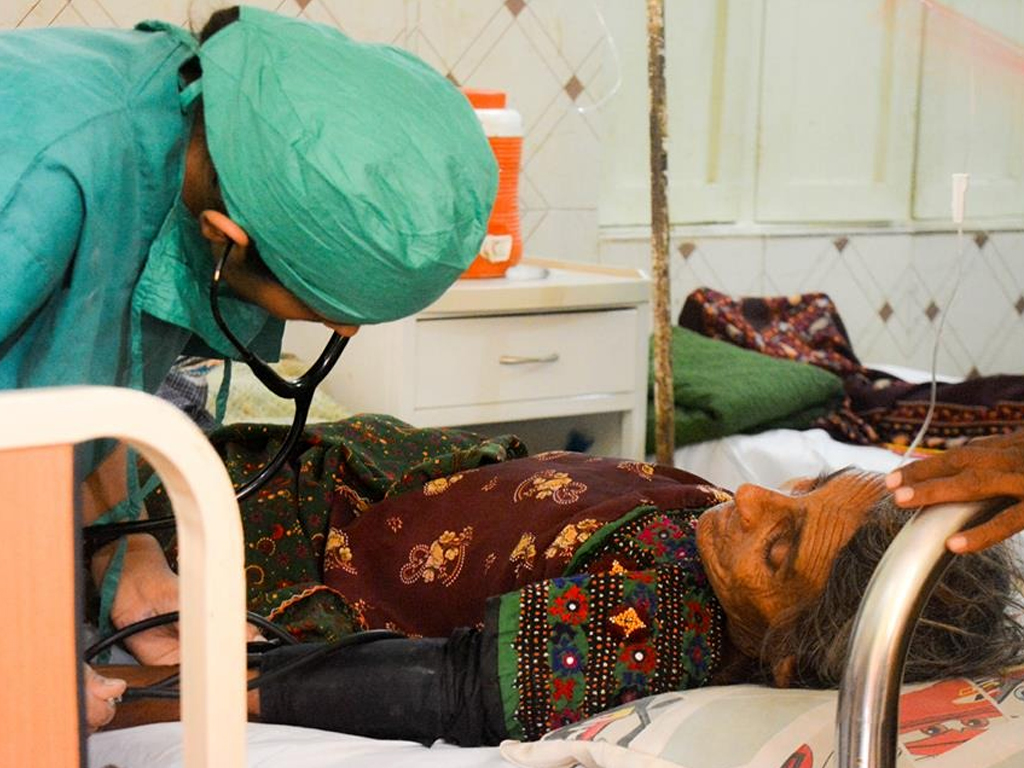
Almost every day in one or the other hospital in different parts of the country lives that can be saved are lost because of a pointless systemic encumbrance. Sindh Assembly unanimously voted into law a landmark bill entitled "Sindh Injured Persons Compulsory Medical Treatment (Amal Umer) Bill, 2019" making it obligatory for all public and private hospitals in the province to provide necessary treatment to injured persons without worrying about the complicated medico-legal process that leads to inordinate delays in provision of treatment to patients, often times causing death. The new law is appropriately named after the 10-year-old child who in August of last year was hit by a stray bullet as she rode in a car with her parents and a younger sibling to a music concert. Her parents had rushed her to a nearby hospital, where they were told to take her either to a government-run hospital or the private Aga Khan University Hospital, which handled medico-legal procedures.
Since the child had a bullet injury to her head she might not have survived even if given proper treatment, but the parents rightly felt the system had failed them. Whilst she bled profusely, a lot of time was wasted as no ambulance was on hand to transfer her to the right hospital. And a private ambulance service first wanted a confirmation from them that a bed was available at the next medical facility. Before that arrangement could be made the distraught parents saw their child take her last breath right before their eyes, leaving them with the painful thought, perhaps, she could have lived had she been given blood transfusion and other necessary assistance in a timely manner. As noted earlier, the hospital she was taken to in a critical condition gave her emergency treatment but refused to do more, citing lack of medico-legal arrangements. That is a common excuse in such cases. Private hospitals are reluctant to treat people with bullet injures not because there is any bar on them but because they are required to inform the nearby police station. Although professional ethics expect of them to attend to all patients in all situations, they do not want to get involved in legal proceedings.
Creditably for Amal's parents, they did not resign to the loss of their child as something that was destined to happen. It happened due to human negligence first of the police who fired shots at a thug on a busy road, fatally injuring an innocent child, and then of the medical staff who would not treat her for fear of legal entanglement. They mounted a public campaign for reform of the system, and now have achieved a big success in the form of provincial assembly's law that makes it compulsory for all hospitals to provide treatment to injured persons. Hopefully, the other three provinces will also follow suit soon. No one must die due to the hospitals' unwillingness to deal with legal procedures.